

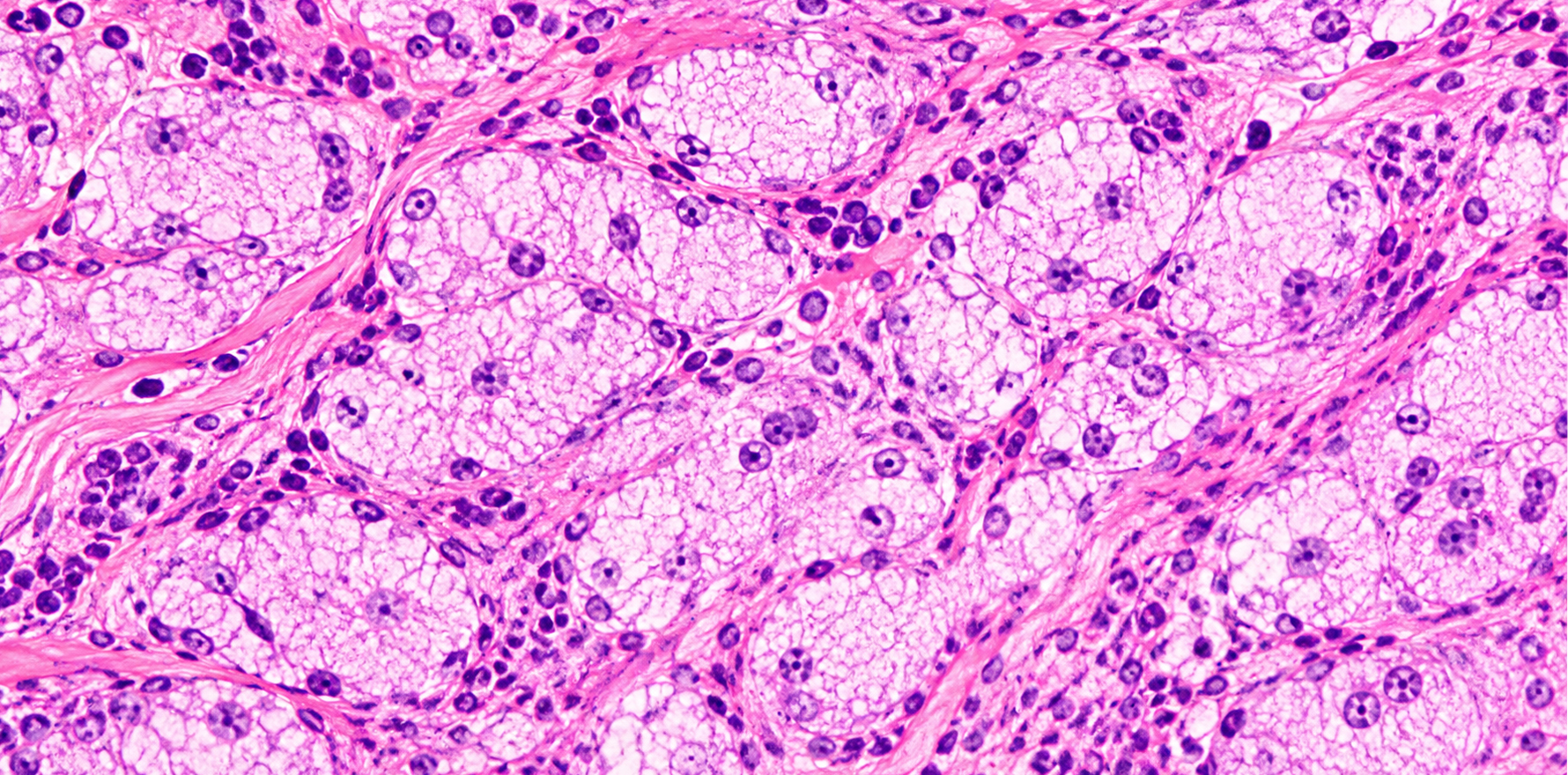
A major international study has identified key predictors of mortality in Erdheim–Chester disease, highlighting the need for earlier risk assessment and tailored treatment.
Researchers have identified several independent predictors of mortality in patients with Erdheim–Chester disease, with neurodegeneration, elevated inflammatory markers, and associated haematological malignancies significantly increasing the risk of death.
The findings, published in The Lancet Haematology, come from one of the largest international studies of the rare histiocytic neoplasm, involving 1174 patients across 10 countries.
“Despite therapeutic advances, Erdheim–Chester disease remains associated with substantial mortality,” the researchers wrote.
“Key prognostic factors identified in this study – older age, neurodegeneration, C-reactive protein, and associated haematological malignancy – could support risk stratification and guide management (e.g. more intensive treatment and haematological assessment in higher-risk patients).
“Prospective studies are needed to validate these findings and improve outcomes in high-risk patients.”
The retrospective cohort study included patients with biopsy-confirmed Erdheim–Chester disease diagnosed between January 1985 and December 2024. Researchers examined clinical characteristics, molecular alterations, treatment responses, and survival outcomes to identify factors associated with prognosis.
Multivariable analysis showed that neurodegenerative involvement was associated with a more than fourfold increased risk of mortality (HR 4.2, 95% CI 2.4–7.1), while elevated C-reactive protein at diagnosis was associated with a nearly fourfold increase (HR 3.8, 95% CI 1.6–9.1).
Patients with a pre-existing haematological malignancy had three times the mortality risk (HR 3.0, 95% CI 1.5–6.0), while failure to respond to treatment was associated with an almost threefold increase (HR 2.8, 95% CI 1.6–5.1).
Older age at diagnosis was also independently associated with poorer survival.
Erdheim–Chester disease is a rare multisystem histiocytic neoplasm driven by mutations affecting the MAPK signalling pathway. Its clinical presentation is highly variable, with disease frequently affecting the bones, cardiovascular system, retroperitoneum, and central nervous system.
The median age at diagnosis in the study was 58 years, and 68% of patients were male.
Multisystem involvement affecting at least four organs was present in 62% of patients. The most commonly affected sites were the long bones (80%), retroperitoneum (63%), large vessels (46%), central nervous system (38%), and heart (35%).
Neurodegenerative central nervous system involvement was identified in 18% of patients.
The researchers also documented a substantial burden of associated malignancies and clonal haematopoiesis.
More than one-quarter of patients (27%) had a history of a second cancer, including haematological malignancies in 15% and solid cancers in 15%, with some patients developing both.
Among the 179 patients with haematological malignancies, chronic myelomonocytic leukaemia was the most frequently reported diagnosis, affecting 20%, followed by myelodysplastic neoplasms in 16%.
Clonal haematopoiesis-associated mutations were detected in 36% of the 690 patients who underwent bone marrow molecular testing.
The most frequently identified mutations involved TET2, ASXL1 and DNMT3A, accounting for 34%, 16%, and 14% of patients with clonal haematopoiesis, respectively.
Related


Although clonal haematopoiesis was associated with poorer survival in univariable analysis, the association did not remain significant after multivariable adjustment.
Molecular testing also identified the BRAFV600E mutation in 62% of 1043 patients, while MAP2K1 mutations were present in 10%.
The researchers found that targeted therapies produced the highest objective response rates among available treatments.
BRAF inhibitors achieved an objective response in 74% of 387 patients, while MEK inhibitors produced responses in 71% of 262 patients. Combination BRAF and MEK inhibition achieved a response rate of 76% among 59 patients.
By comparison, interferon-α achieved an objective response rate of 30%, although disease stabilisation or response occurred in more than two-thirds of treated patients.
Targeted therapies were increasingly used following their introduction in 2012, reflecting a major shift in treatment approaches over the study period.
Overall, 90% of patients received disease-directed treatment, with interferon-α and MAPK pathway inhibitors the most common first-line options.
The estimated five-year overall survival rate was 83%, falling to 67% at 10 years. Of the 261 deaths recorded, 119 (46%) were attributed directly to Erdheim–Chester disease, predominantly involving the central nervous system, heart, or lungs.
Other leading causes included cardiovascular and cerebrovascular events, infections, and secondary malignancies.
The researchers said the findings demonstrated that significant mortality persisted despite improvements in diagnosis and treatment.
They suggested that identifying high-risk patients, particularly those with neurodegeneration, elevated inflammatory markers, or associated haematological cancers, could help guide more intensive monitoring and earlier treatment.
The findings also raised the possibility of developing prognostic algorithms to support individualised management.
However, the researchers cautioned that the retrospective design, differences in management between centres, and incomplete longitudinal treatment data limited interpretation.
In particular, analysing treatment response as a fixed variable could introduce immortal time bias, meaning associations between treatment response and survival should be interpreted cautiously.
The researchers also noted that all participating centres were in high-income countries, potentially limiting the generalisability of the findings.
“The diagnosis and care of Erdheim–Chester disease have substantially improved during the last few decades; however, Erdheim–Chester disease-related morbidity and mortality remain significant, they concluded.
“Neurodegeneration, elevated C-reactive protein, and associated haematological cancer are the main disease-specific determinants of prognosis.
“Future progress will depend on earlier diagnosis, closer monitoring for neurological and haematological complications, and the development of novel therapies.”
