


The results of a ‘provocative’ systematic review and meta-analysis pose significant questions to how iron deficiency anaemia in pregnancy should be treated.
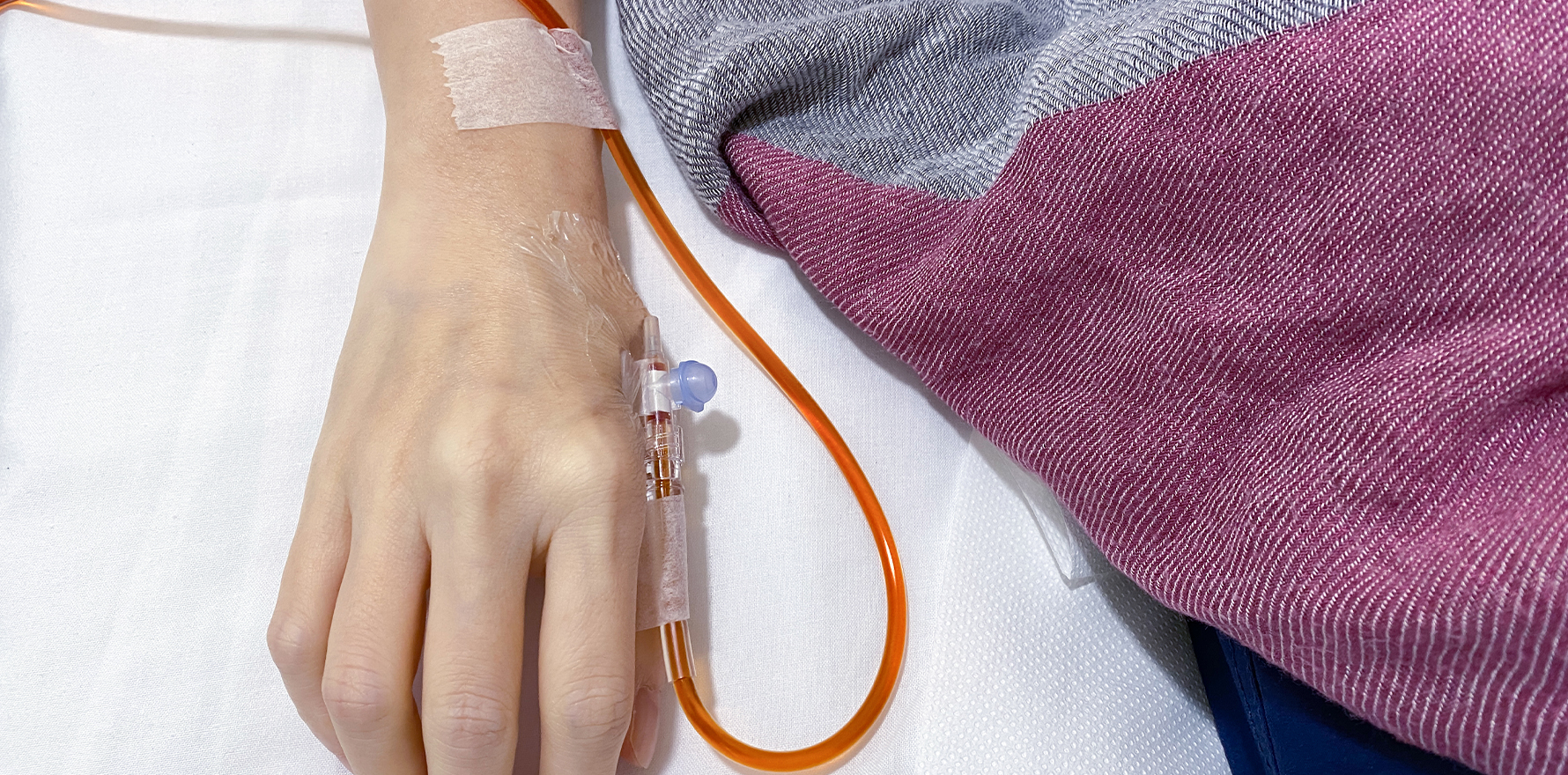
An updated systematic review and meta-analysis has added to the growing body of literature suggesting intravenous treatment for iron deficiency anaemia in pregnancy is superior to the traditional oral approach.
Iron therapy is used to manage pregnancies where the mother develops iron deficiency anaemia in pregnancy.
Historically oral iron has been used in the first instance, with intravenous therapy used in people who do not respond to or who cannot tolerate the oral approach.
With an increasing number of women needing intravenous iron to manage their anaemia during pregnancy, questions have to be asked whether oral is still the way to go.
A 2019 systematic review and meta-analysis, along with a 2024 Cochrane review, found that intravenous therapy led to modest but significant improvements in maternal haemoglobin levels at delivery and birth weight.
“Since the publication of the review, multiple additional RCTs have been published that compare oral and IV iron therapy for IDA in pregnancy,” the researchers wrote in JAMA Network Open.
“Thus, we aimed to update the previous meta-analysis by incorporating data derived from RCTs published since 2018 on the comparative effectiveness of IV versus oral iron therapies on haematologic indices, maternal and neonatal outcomes, and medication reactions among women with IDA in pregnancy.”
The researchers identified 10 new studies published between 2018 and 2025 that could be added to their previous systematic review and meta-analysis, meaning their updated analysis included 29 randomised trials involving 11,771 unique participants.
Twenty-one studies were conducted in developing countries, with the remaining eight undertaken in developed countries. Across the 29 trials there were 5887 participants who received intravenous iron and 5894 who received oral iron therapy.
Iron sucrose was the most commonly administered intravenous formulation (17 studies) while ferrous sulphate was the most common oral preparation (19 studies).
After re-running the analyses, 15 studies showed that intravenous iron led to a significant increase in haemoglobin levels on admission for childbirth compared to oral iron treatment (weighted mean difference and 95% confidence interval 0.59g/dL 0.31-0.87g/dL).
In addition, eight studies showed a similar effect for intravenous iron on ferritin levels (WMD 50.9ng/mL, 33.6-68.3ng/mL).
The effects of intravenous iron remained regardless of study location and quality but was larger in pregnant women with a mean pretreatment haemoglobin level ≤9.0g/dL compared to women with a haemoglobin level above this particular cutoff.
Intravenous iron was also associated with a reduction in the rate of maternal blood transfusion during childbirth (relative risk and 95% CI across 14 studies 0.63, 0.49-0.82) and higher neonatal ferritin levels (WMD 21.4ng/mL, 5.5-37.3ng/mL).
The researchers felt the reduction in the need for blood transfusion was notable for two reasons.
Related

“First, blood transfusion is one of the metrics included within the Centers for Disease Control and Prevention’s composite for severe maternal morbidity,” they wrote.
“Second, blood transfusions may expose patients to foreign red blood cell antigens, which can lead to maternal alloimmunization and potentially affect future pregnancies through haemolytic disease of the fetus and newborn.”
All 29 studies reported mild medication reactions (e.g., nausea, diarrhoea, headache, metallic taste) as an outcome but only 10 reported whether severe reactions occurred.
No severe medication reactions occurred across these 10 studies, which involved the same number of participants receiving oral and intravenous iron (1054 in each group). Intravenous iron therapy was associated with a lower rate of mild medication reactions compared to oral iron therapy (RR 0.56, 0.41-0.76), primarily driven by the reduction in gastrointestinal adverse effects (0.11, 0.05-0.23).
“This finding differs from that from a prior meta-analysis, which included observational studies and found that the rate of serious medication reactions was higher in observational studies compared with RCTs,” the researchers noted.
Writing in an accompanying commentary, Professor Michael Auerbach (a haematologist and oncologist from The Center for Cancer and Blood Disorders in Baltimore, US) and Professor Helain Landy (chair of the Department of Obstetrics and Gynaecology at MedStar Georgetown University Hospital in Washington DC) said that the findings questioned recommendations from the American College of Obstetricians and Gynaecologists – and potentially other professional colleges and societies outside the US – who continued to recommend oral iron as the first-line treatment for iron deficiency anaemia in pregnancy.
“The fact that intravenous iron was associated with significant reductions in perinatal blood transfusion compared with oral iron, with improvement in maternal and neonatal haematologic parameters, presents an opportunity for ACOG to reconsider their recommendations,” they wrote.
However, Professors Auerbach and Landy acknowledged the barriers in seeing the results of the updated systematic review translate into clinical practice.
“In making recommendations to its more than 62,000 members practicing in urban, suburban, and rural areas, ACOG relies on evidence-based literature as well as consideration of clinical feasibility,” they wrote.
“Challenges in providing intravenous iron infusions include supply and production shortages, insurance and financial barriers, and medical criteria – but perhaps more important are issues of clinician hesitancy related to historical concerns about serious adverse events and high rates of infusion reactions with older formulations.
“Newer formulations have carbohydrate cores binding elemental iron more tightly, allowing large complete replacement doses in a short, single visit. These improve safety and efficacy while adding convenience for both patients and caregivers.
“This could not be better corroborated by the results of the [current] study, which reports not only superior haematologic outcomes with intravenous iron but the virtual absence of serious adverse events.”
There was still also a need for a prospective study that displayed improvements in infant development following intravenous compared to oral iron in pregnant people with iron deficiency anaemia, according to Professors Auerbach and Landy.
Challenges aside, the pair concluded by reiterating that the current findings could produce a “dramatic change” to current treatment paradigms.
“This provocative study, combined with numerous new data supporting intravenous iron as a safe and effective alternative, underscores the need to assess neonatal outcomes comparing the two modalities,” they wrote.
JAMA Network Open, 23 September 2026 (research)
JAMA Network Open, 23 September 2026 (commentary)
