


An Australian biotech company will launch a first-in-human trial for patients with mesothelin-positive advanced refractory solid tumours in early 2027.
Australian biotech company Currus Biologics has cleared the US Food and Drug Administration’s Investigational New Drug application for BEAT, a universal, bispecific antibody platform designed to unlock CAR T-cell therapy for solid tumours.
“CAR T-cell therapies have proved highly effective against blood cancers, yet their impact in solid tumours, which account for around 90% of all cancers, remains limited,” Currus said in a statement.
“In solid tumours, CAR T-cells face a highly immunosuppressive tumour microenvironment that drives exhaustion and restricts their ability to expand, persist and infiltrate tumour tissue effectively.”
The BEAT (Bispecific Engagers of Antigen Presenting Cells and T cells) antibody is “a universal solution compatible with any CAR t-cell format or tumour target”, according to Currus.
CUR-001, the lead program outlined in the FDA IND application, brings together the BEAT bispecific antibody CURB-001 with CURT-001, a FLAG-tagged autologous CAR T-cell therapy that targets mesothelin, a protein that is widely expressed in a range of solid cancers.
Related
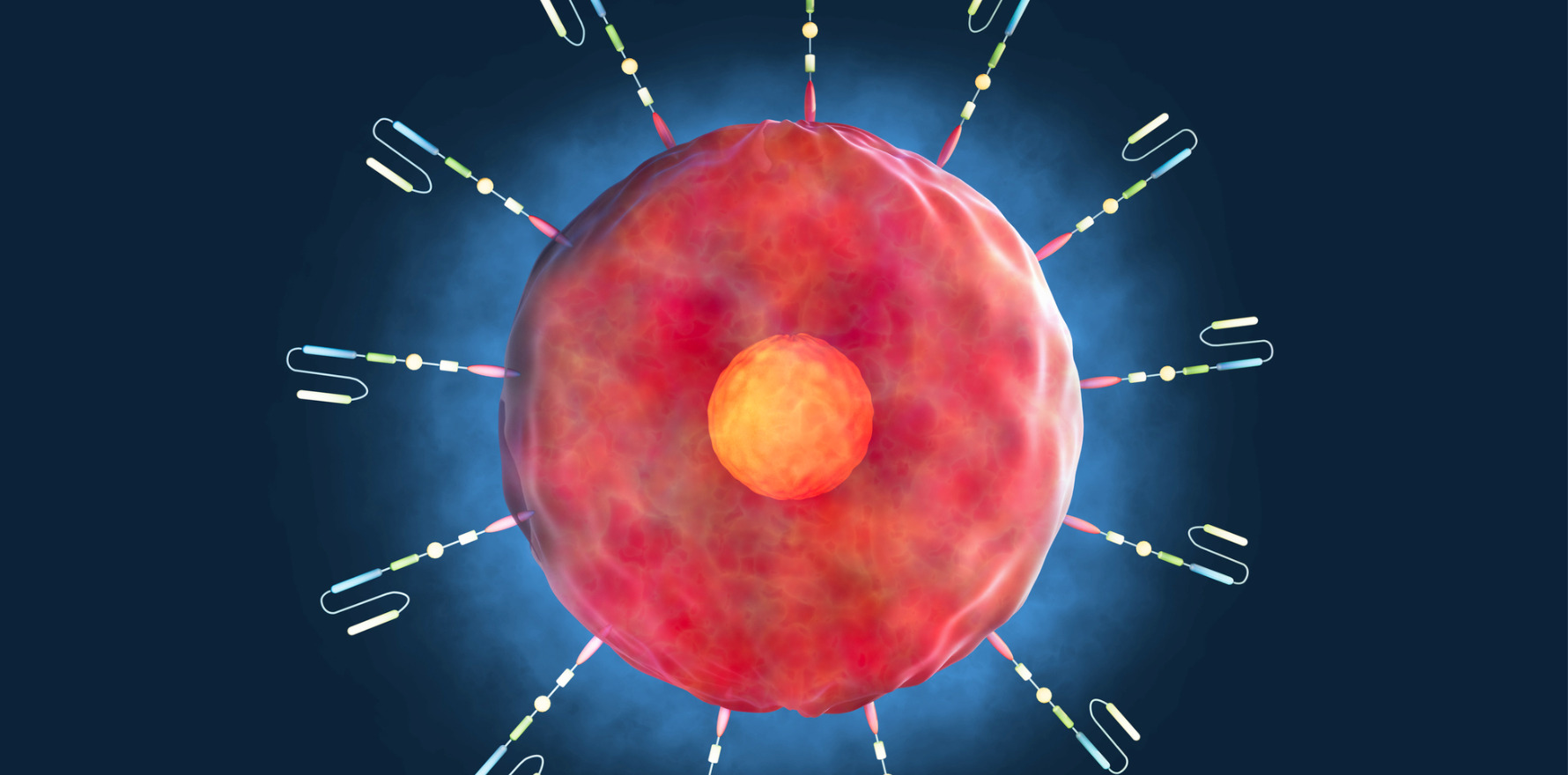

The theory is that the BEAT will activate CAR T-cells in lymphoid tissue by engaging professional antigen-presenting cels as well as the CAR-T cells themselves to overcome the suppressive effects of the tumour microenvironment.
Currus said this approach had improved CAR T-cell expansion, persistence, and tumour infiltration while increasing epitope spreading and immunological memory in preclinical solid tumour models.
Currus Biologics CEO Sam Cobb said receiving IND clearance from the FDA as a significant achievement for the company, and meant it was another step closer to bringing the BEAT to the clinic.
“CUR-001 is designed to overcome key barriers that have limited the impact of CAR T-cell therapies in solid tumours, an area of significant unmet need. We are excited to progress CUR-001 into phase 1 [trials] and sincerely thank our team, advisers, and investors for their support,” she told media.
The company expects to enrol its first patients with mesothelin-positive advanced refractory solid tumours in an open-label phase 1 basket trial early next year.
