

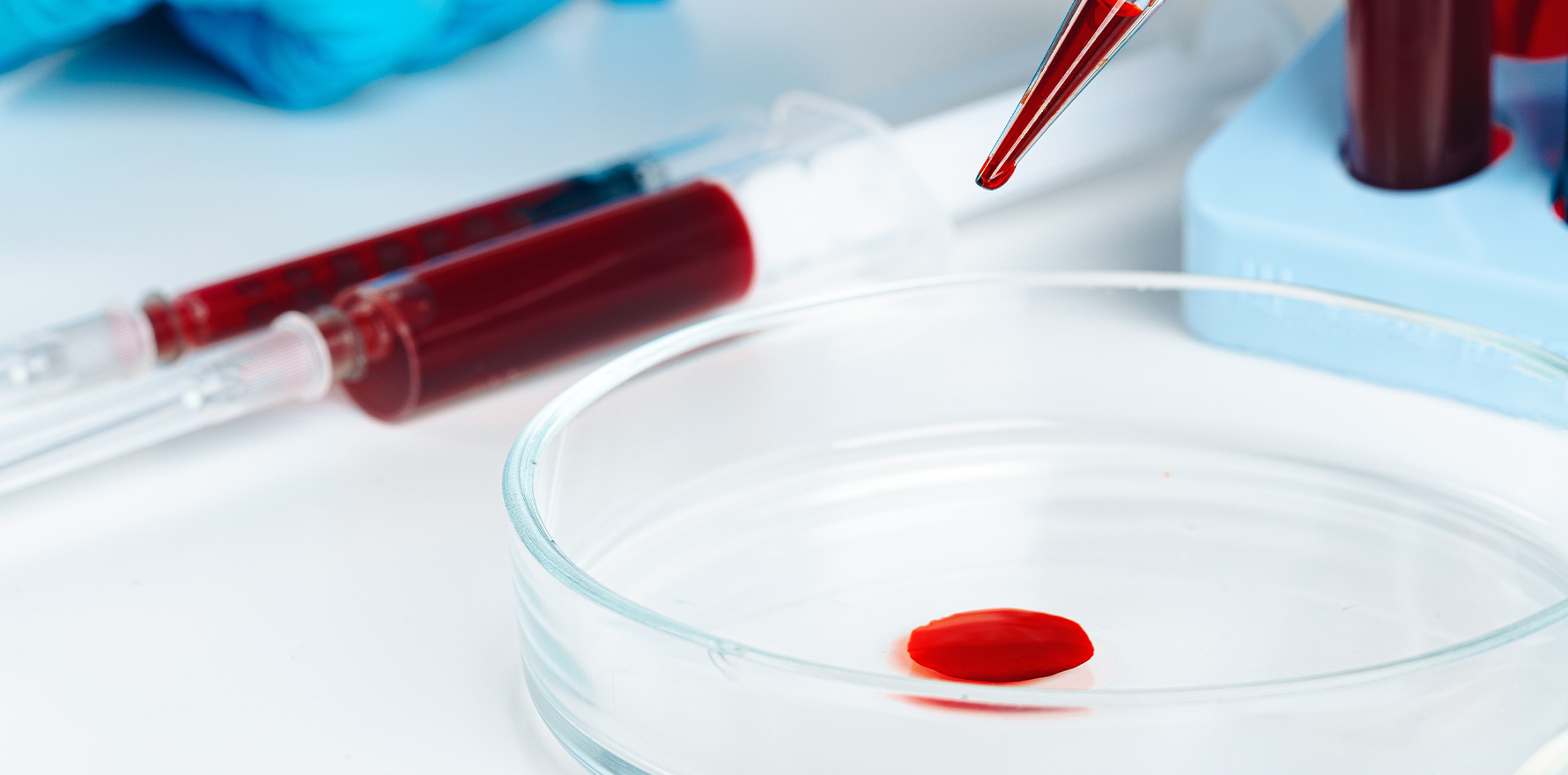
The ‘blood in a dish’ approach could help overcome longstanding treatment and regulatory barriers that have left patients with rare genetic conditions facing limited options.
Australian researchers have secured $5 million to develop a gene-editing platform that could deliver personalised cures for hundreds of rare blood and immune disorders, potentially eliminating the need for risky donor stem cell transplants.
The WEHI-led project will combine a laboratory-grown model of a patient’s blood and immune system with precision gene-editing technology to develop personalised treatments for conditions that currently have few therapeutic options.
More than 600 distinct blood and immune disorders are caused by small errors in the genetic code of blood stem cells. Although individually rare, these conditions collectively affect millions of people worldwide and can be severe and life-limiting.
The five-year project, funded through the Medical Research Future Fund’s Stem Cell Therapies Mission, will bring together researchers and clinicians from WEHI, the Peter MacCallum Cancer Centre, the Royal Melbourne Hospital and the Royal Children’s Hospital.
Central to the project is a technique dubbed “blood in a dish”, which uses stem cells collected from a patient’s blood sample to recreate key aspects of blood and immune development in the laboratory.
The resulting “patient avatar” allows researchers to investigate the effects of specific genetic mutations and test whether correcting them can restore normal cellular function.
Project chief investigator Professor Shalin Naik, a WEHI laboratory head, said the technology could make personalised medicine a realistic option for patients with conditions that have historically attracted little commercial investment.
“Many of these conditions come down to a single-letter genetic mutation, but the exact mutation can differ from patient to patient,” he said.
“Our system lets us model a patient’s disease in the lab, test a precise correction and measure whether the cells bounce back.”
The researchers will use prime editing, a gene-editing technique capable of making precise changes to individual DNA letters, to repair disease-causing mutations.
The approach will package the editing components as messenger RNA inside lipid nanoparticles, with the aim of delivering them directly to blood stem cells in the bone marrow.
Professor Naik said the precision offered by prime editing made it particularly promising for rare genetic disorders.
“That specificity is what makes prime editing so exciting for rare diseases and makes this project such a potential game changer for diseases that are crying out for effective, tailored treatments,” he said.
The team has already demonstrated proof of concept using stem cells from a patient with severe combined immunodeficiency (SCID), a rare inherited immune disorder that leaves patients highly vulnerable to serious infections.
Matthew Rozek, who was diagnosed with SCID at birth, spent much of his childhood in hospital and has experienced repeated infections and ongoing treatment throughout his life.
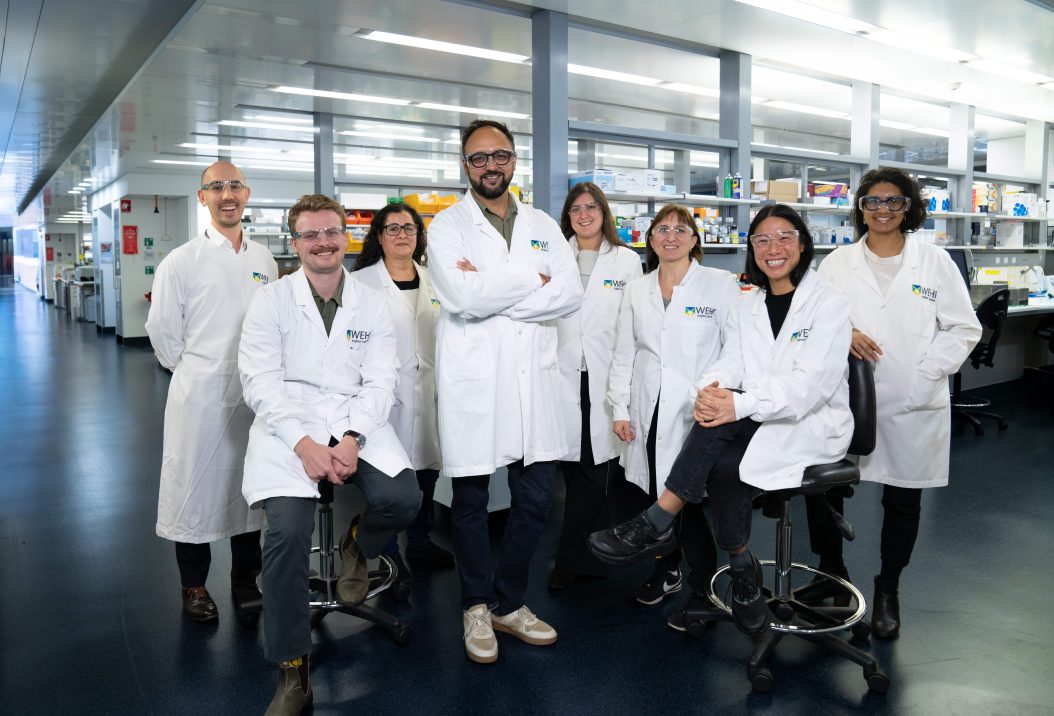
Using his stem cells, WEHI researchers successfully corrected the disease-causing mutation and restored immune cell development in the laboratory.
However, Mr Rozek ultimately had to travel to the United States to access experimental gene therapy because an equivalent treatment was unavailable in Australia.
He received the treatment through a US clinical trial in 2025.
His treating clinician, Dr Samantha Chan, deputy director of Clinical Immunology and Allergy at the Royal Melbourne Hospital and a chief investigator on the project, said the decision to seek treatment overseas had been critical.
“We sent him to the US because we thought he would die if he didn’t get treatment,” she said.
While the treatment had been intensive, early signs were encouraging, and Dr Chan said she was hopeful Mr Rozek could go on to lead a relatively normal life.
“We need treatments like this here in Australia, because not every patient can travel overseas, and not every patient can afford to wait,” she said.
“For patients like Matthew, waiting can mean more infections, more complications, and reaching a point where treatment is no longer possible.”
For many patients with rare inherited blood and immune disorders, a donor stem cell transplant remains the only potentially curative option. However, transplantation can be associated with significant toxicity, complications, and difficulties finding a suitable donor.
The WEHI team hopes its approach could eventually offer a less burdensome alternative while overcoming another major obstacle to personalised gene therapies: regulation.
Because many rare genetic conditions affect only a handful of patients, developing and obtaining approval for an individual treatment for each disease can be commercially and logistically prohibitive.
The researchers will work with hospitals, patients, and regulators to establish a common development and regulatory framework that could accommodate different genetic corrections while maintaining consistent manufacturing, safety, and efficacy standards.
Dr Thomas Lew, a WEHI researcher and clinical haematologist at Peter MacCallum Cancer Centre and the Royal Melbourne Hospital, said the aim was to move beyond the traditional model of developing a separate therapy for every disease.
“We want to build a unified gene therapy platform that can deliver cures for as many patients as possible – from a child born with an incurable mutation to an adult that has developed one in their lifetime,” he said.
Related



“Importantly, this project has the bold but critical goal of transforming regulatory approaches that have been a barrier to getting these new and effective treatments quickly and safely to patients.”
Professor Naik said a platform-based regulatory pathway would be essential to making treatments accessible for patients with ultra-rare conditions.
“To reach patients with rare diseases we need a platform pathway with strict safety benchmarks, so we can shorten the long road from diagnosis to personalised treatment,” he said.
Over the five-year funding period, the researchers aim to produce a package ready to support a phase I clinical trial, including manufacturing processes and safety testing.
Further investment will be required to advance the platform through clinical trials and establish whether the approach can safely and effectively treat patients.
