

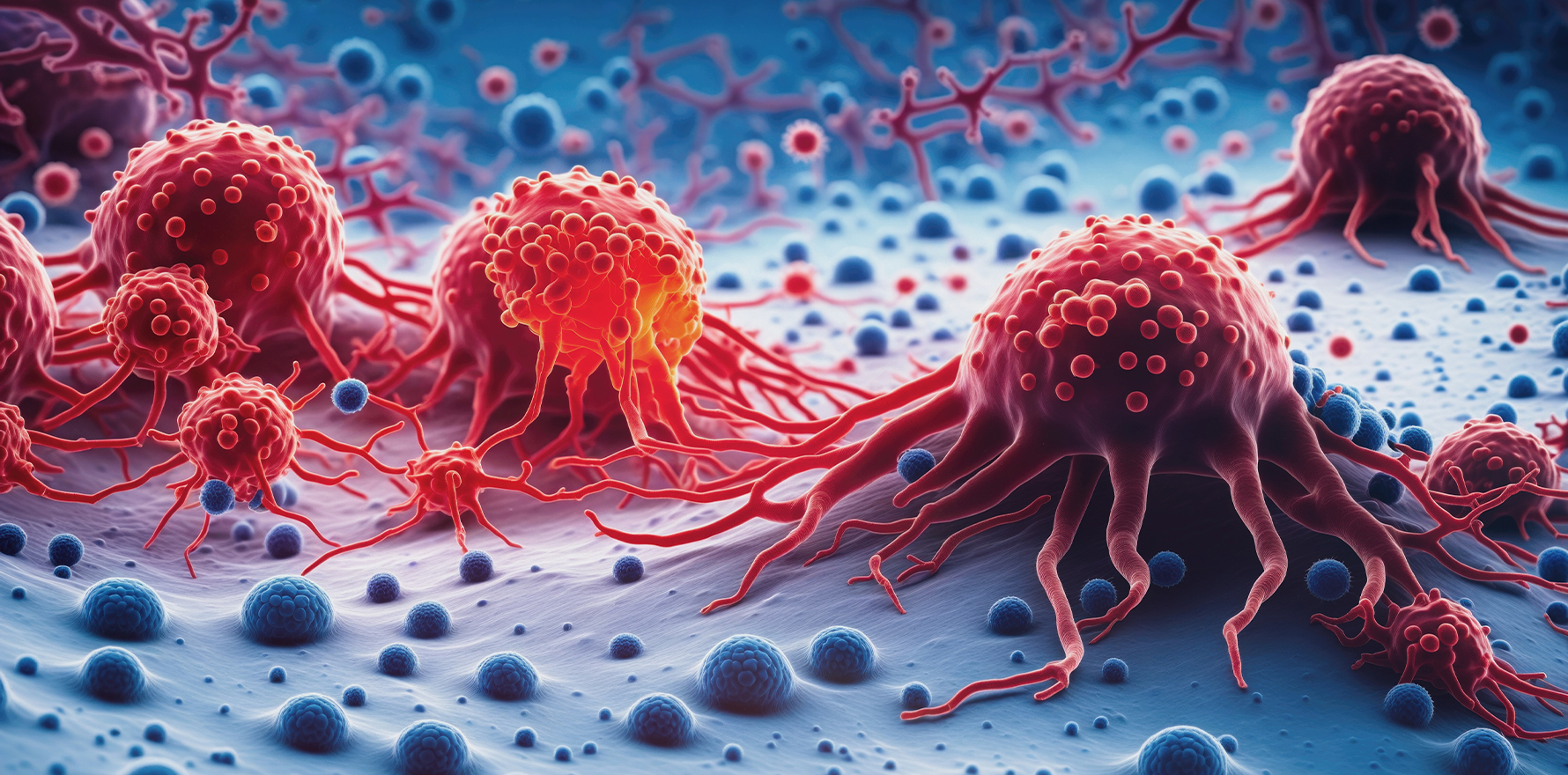
Australia's most detailed national blood cancer dataset yet gives clinicians subtype-specific incidence, survival, and mortality data, providing a stronger benchmark for tracking outcomes as precision therapies reshape haematology.
Australia’s national cancer reporting has taken a significant step forward with the Australian Institute of Health and Welfare (AIHW) releasing its most comprehensive national analysis yet of blood cancers.
The move gives haematologists and oncologists access to far more detailed epidemiological data on individual disease subtypes and long-term outcomes.
The expanded Cancer data in Australia release moves beyond traditional reporting based solely on International Classification of Diseases (ICD) groupings by incorporating histology-based classifications for blood cancers.
The change reflects major advances in pathology, molecular diagnostics, and disease classification over recent decades and allows clinicians to examine incidence, mortality, and survival for specific haematological malignancies, rather than broad categories such as leukaemia or lymphoma.
The AIHW says the new approach provides a more clinically meaningful picture of Australia’s blood cancer burden, supporting improved benchmarking of outcomes, evaluation of emerging therapies, and planning of specialist services.
“The Cancer data in Australia report contains a considerable amount of data on blood cancers,” the AIHW says.
“More specifically, it provides a greater depth of incidence and survival rates. For example, Hodgkin lymphoma incidence and survival statistics are accompanied by statistics on types of Hodgkin lymphoma such as nodular lymphocyte predominant Hodgkin, classic Hodgkin lymphoma and the subtypes nodular sclerosis classic Hodgkin lymphoma, lymphocyte-rich classic Hodgkin lymphoma, mixed cellularity classic Hodgkin lymphoma and lymphocyte-depleted classic Hodgkin lymphoma.”
Blood cancers account for about one in every 10 cancers diagnosed in Australia and encompass more than 100 distinct diseases originating in the bone marrow, blood, and lymphatic system.
The report estimates age-standardised incidence has increased from 66 cases per 100,000 people in 2003 to 73 cases per 100,000 in 2025. Men continue to have consistently higher incidence than women, with an estimated 90 cases per 100,000 males compared with 57 cases per 100,000 females this year.
Five-year relative survival has improved modestly, rising from 67% for patients diagnosed during 2012–2016 to 70% during 2017–2021. Survival exceeded 90% among children and young adults aged under 40 years before declining progressively with age, falling to 44% among people aged 80 years and older.
The new data also highlight the wide variation in outcomes between different blood cancer types.
Five-year survival during 2017–2021 reached 93% for immunoproliferative cancers, 89% for Hodgkin lymphoma, and 88% for chronic lymphocytic leukaemia, while acute myeloid leukaemia remained associated with a five-year survival of just 27% and myelodysplastic syndromes 38%.
Mortality has continued to decline despite increasing incidence. Age-standardised blood cancer mortality fell from 26 deaths per 100,000 people in 2007 to an estimated 22 deaths per 100,000 in 2025, although mortality rates remain consistently higher in men.
The report also reinforces the unique age profile of many haematological malignancies. Blood cancers account for an estimated 40% of all cancers diagnosed in Australians aged 0–19 years.
“While not a common cancer in the general population, acute lymphoblastic leukaemia was the most common cancer diagnosed in 0–19-year-olds, estimated to account for 19% of all cancer cases for the age group in 2025,” the AIHW says.
Until now, national reporting has largely been constrained by ICD coding, which groups many biologically distinct diseases together despite major differences in prognosis, treatment pathways and survival.
By drawing on morphology and histology data routinely collected by Australian cancer registries, the AIHW has expanded reporting to align more closely with contemporary World Health Organization classification systems.
The enhanced dataset now includes detailed national information for acute lymphoblastic leukaemia, acute myeloid leukaemia, chronic lymphocytic leukaemia, chronic myeloid leukaemia, diffuse large B-cell lymphoma, follicular lymphoma, mantle cell lymphoma, Hodgkin lymphoma, plasma cell myeloma, and numerous other mature B-cell, T-cell, and natural killer-cell neoplasms.
For clinicians, the greater level of detail provides a clearer picture of how outcomes differ between diseases that were previously reported together.
Among the leukaemias, chronic lymphocytic leukaemia continues to demonstrate comparatively favourable long-term survival, reflecting both its underlying biology and advances in treatment.
Chronic myeloid leukaemia also continues to represent one of the major success stories in modern oncology, with survival improving dramatically following the introduction of tyrosine kinase inhibitors.
Related



In contrast, acute myeloid leukaemia remains associated with poor survival, particularly in older Australians, despite advances in induction chemotherapy, stem cell transplantation, and the emergence of targeted therapies.
The lymphoma data similarly demonstrate the heterogeneity of blood cancers. Classical Hodgkin lymphoma continues to have among the highest survival rates of any cancer, while indolent B-cell lymphomas are characterised by prolonged survival despite recurrent relapse.
Aggressive lymphomas, including diffuse large B-cell lymphoma, remain potentially curable but continue to account for a substantial proportion of lymphoma mortality.
Multiple myeloma also remains associated with significant morbidity and mortality despite rapid therapeutic advances over the past decade, including proteasome inhibitors, immunomodulatory agents, monoclonal antibodies, and, more recently, cellular therapies.
The AIHW says the expanded reporting will become increasingly valuable as highly specialised treatments, including CAR T-cell therapy, bispecific antibodies, and precision molecular therapies, become more widely available, providing a national baseline against which future outcomes can be measured.
Across all cancers, the AIHW estimates around 169,800 Australians will be diagnosed with cancer in 2025, including approximately 5315 cases of leukaemia, 7759 cases of lymphoma, and 2755 cases of multiple myeloma.
Leukaemia is expected to account for about 2191 deaths this year, lymphoma 1938 deaths, and multiple myeloma 1210 deaths.
Five-year relative survival for Australians diagnosed between 2017 and 2021 was approximately 66% for leukaemia, 79% for lymphoma and 61% for multiple myeloma, although the expanded reporting demonstrates that survival varies substantially between individual disease subtypes.
The report also confirms the strong influence of age on blood cancer incidence. While acute lymphoblastic leukaemia remains the most common childhood cancer, the incidence of most blood cancers rises sharply with advancing age, with chronic lymphocytic leukaemia, multiple myeloma, and many non-Hodgkin lymphomas predominantly affecting older adults.
Beyond descriptive epidemiology, the AIHW says the expanded dataset provides clinicians, researchers, and health planners with nationally consistent subtype-specific incidence and survival estimates that can be used to monitor changes in disease patterns, evaluate treatment outcomes, and identify populations experiencing poorer outcomes.
The release also supports more detailed analyses by geography, socioeconomic status, remoteness, and First Nations status, enabling researchers and health services to better understand disparities in diagnosis, access to care, and outcomes.
As precision medicine continues to reshape haematology, with disease increasingly defined by molecular and immunophenotypic characteristics rather than morphology alone, the AIHW says enhanced blood cancer reporting provides an important foundation for future national surveillance as cancer registries continue incorporating increasingly sophisticated pathological and molecular information.
For Australia’s haematology and oncology community, the expanded dataset represents the most comprehensive national benchmark yet for measuring the burden of blood cancers and tracking improvements in outcomes as new diagnostic technologies and therapies continue to transform clinical care.
