

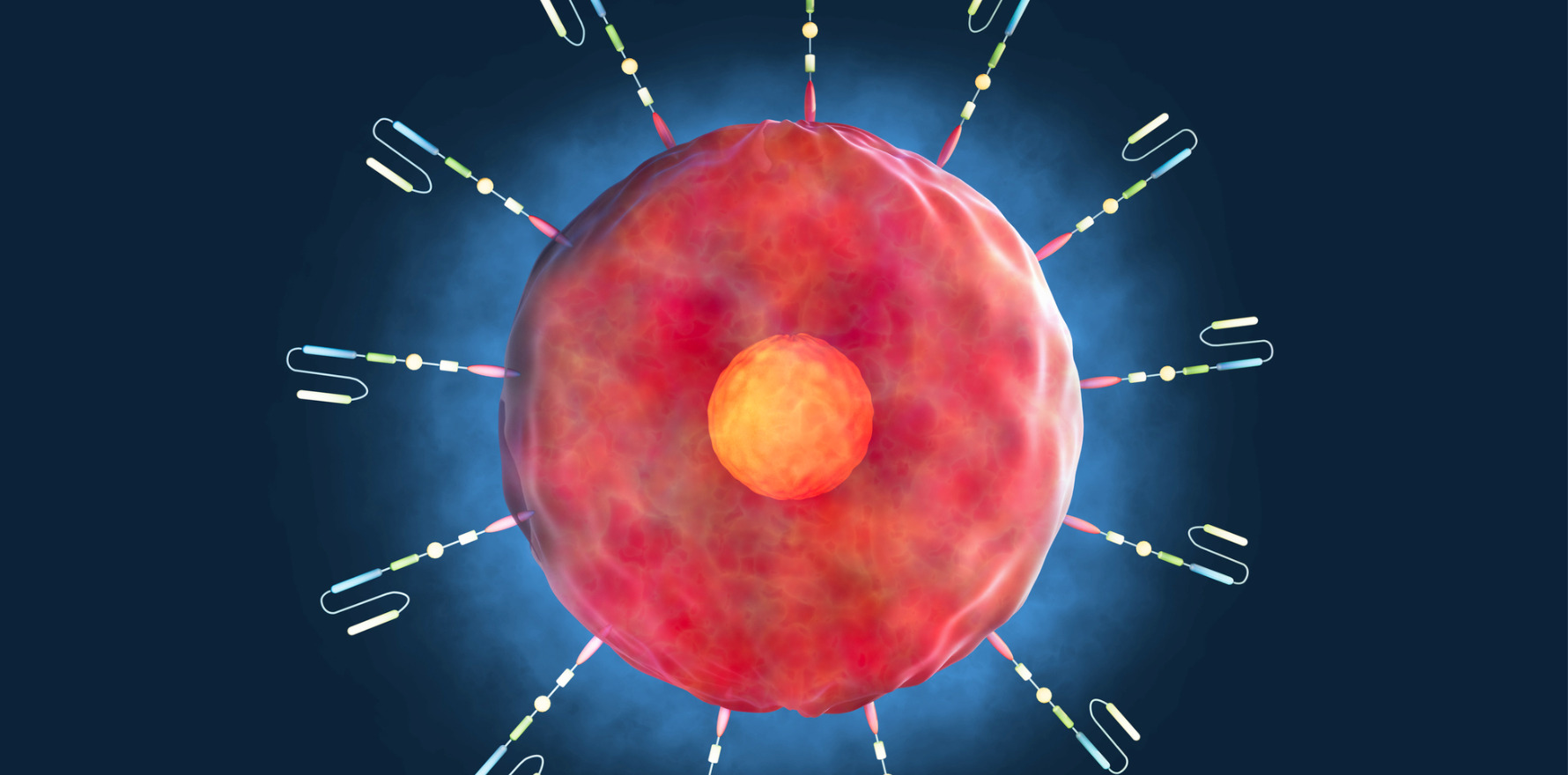
CD19-directed CAR T-cell therapy induced rapid, treatment-free remission in refractory AIHA, ITP and antiphospholipid syndrome, supporting B-cell reset beyond oncology.
A single infusion of CD19-directed CAR T-cell therapy has induced sustained remission across three severe autoimmune diseases in a heavily pretreated patient, according to researchers.
Clinicians at the University Hospital of Erlangen in Germany reported that a 47-year-old woman with treatment-refractory autoimmune haemolytic anaemia (AIHA), immune thrombocytopenia (ITP), and antiphospholipid antibody syndrome (APLAS) achieved rapid haematological normalisation and remains in remission one year after a single CAR T-cell infusion, without further therapy.
Their findings have been published as a case report this month in the Cell Press journal Med.
The patient had experienced more than a decade of disease and failed nine prior treatment lines, including corticosteroids, immunosuppressants and anti-CD20 therapy, the researchers reported.
At referral, she required daily red blood cell transfusions and long-term anticoagulation, reflecting severe disease burden and high risk of both haemorrhagic and thrombotic complications.
Given the lack of remaining standard options, the team proceeded with autologous CD19-directed CAR T-cell therapy on a compassionate-use basis, targeting B cells implicated in all three antibody-mediated conditions. Following lymphodepletion, engineered T cells were infused at a dose of 1 × 10⁶/kg.
Clinical response was rapid. Transfusion independence was achieved within seven days, with haemoglobin normalisation by day 25.
Markers of haemolysis, including lactate dehydrogenase and bilirubin, returned to normal ranges within weeks.
Concurrently, antiphospholipid antibody titres declined to undetectable levels and remained negative, while platelet counts stabilised without additional intervention.
Corresponding author Dr Fabian Müller described the response as both rapid and profound.
“The treatment was extremely efficient in getting rid of all three autoimmune conditions at once,” he said.
“After being sick for more than a decade, the patient is now in treatment-free remission and able to return to an almost normal life. This therapy significantly improved her quality of life.”
He noted that the patient’s blood counts normalised within just a few weeks. The patient also reported marked functional improvement, regaining the ability to perform normal daily activities shortly after discharge.
“After more than 10 years of illness, the patient’s blood counts normalised within just a few weeks. The speed and depth of the response was remarkable,” Dr Müller said.
Importantly, no cytokine release syndrome or immune effector cell-associated neurotoxicity syndrome was observed, suggesting a favourable acute safety profile in this case.
Mild transaminase elevations and persistent cytopenias were noted during follow-up but were attributed more likely to cumulative toxicity from prior therapies and iron overload rather than the CAR T-cell intervention itself.
The authors attributed the response to deep depletion and subsequent reconstitution of the B-cell compartment.
Unlike prior rituximab therapy, which failed to achieve durable control, CAR T-cell treatment resulted in near-complete eradication of CD19-positive B cells across tissues. When B cells re-emerged months later, they were predominantly naïve, consistent with an immune “reset”.
The case added to a growing body of evidence supporting CAR T-cell therapy as a means of reprogramming aberrant humoral immunity in autoimmune disease, the researchers said.
While prior reports have demonstrated efficacy in systemic conditions such as lupus, data in refractory haematological autoimmune disorders, particularly AIHA and APLAS, have been limited.
The authors cautioned that conclusions were constrained by the single-patient design and relatively short follow-up and emphasised the need for controlled clinical trials to establish safety, durability and patient selection criteria.
Related


Despite this, the findings raised the possibility that earlier use of CAR T-cell therapy in severe autoimmune disease could prevent cumulative organ damage and reduce exposure to ineffective immunosuppression.
“We believe that using CAR-T therapy earlier for patients with severe autoimmune disease could help prevent complications from years of ineffective treatments,” said Dr Müller.
“If we can intervene sooner, we may be able to stop the disease process, avoid organ damage and give patients their lives back.”
