

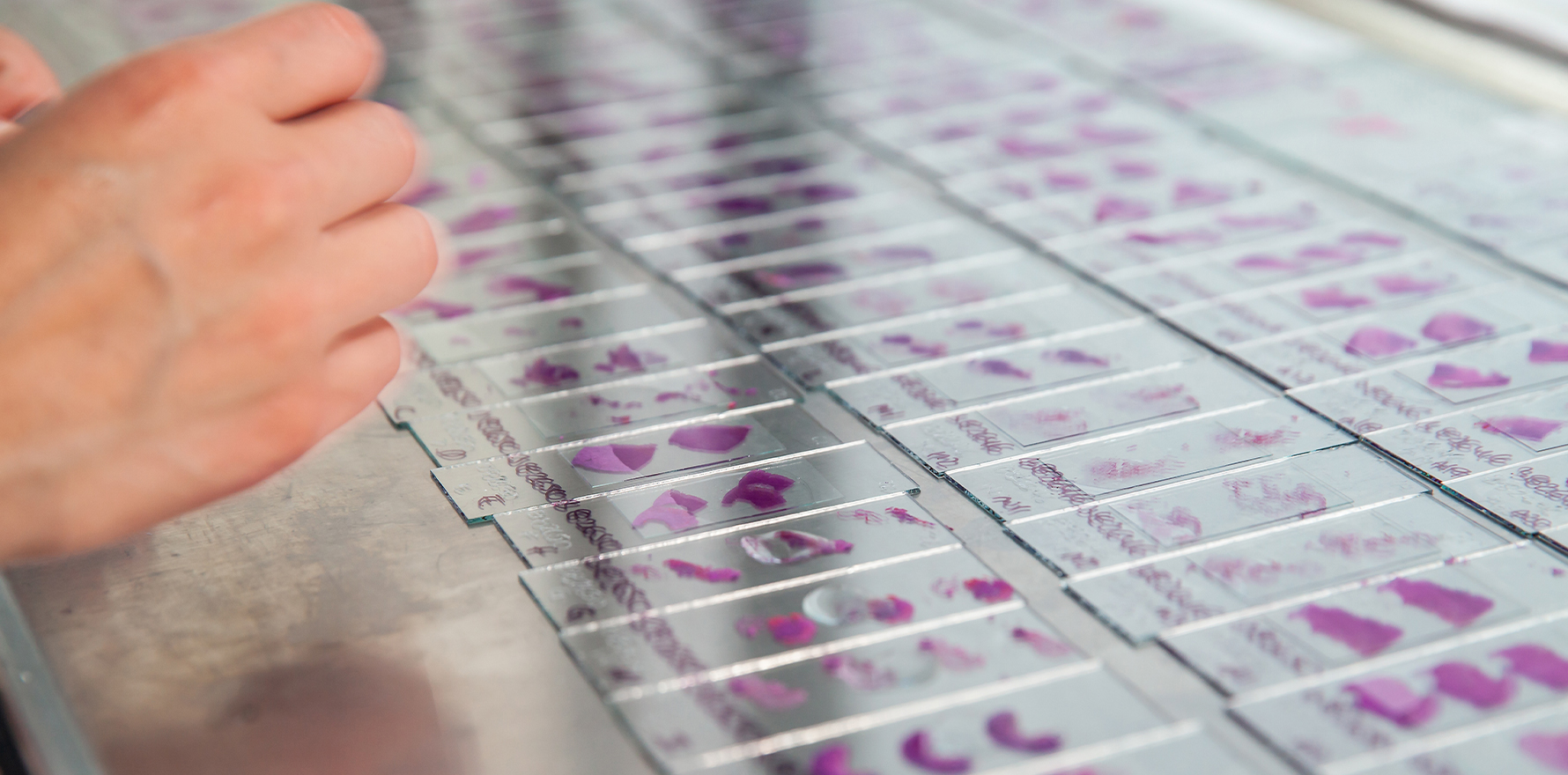
A statewide rollout of digital haematology technology has cut blood film turnaround times by up to 15 hours at some NSW laboratories.
NSW Health Pathology has rolled out digital haematology morphology technology across 41 sites, allowing laboratory scientists to review blood films remotely and accelerate the diagnosis of conditions including leukaemia and other blood cancers.
The program, which began in April 2025, has introduced digital morphology capabilities across metropolitan, regional, and rural laboratories, reducing reliance on physical slides and improving access to specialist expertise.
The rollout includes 33 analysers and nine reporting-only locations, with more than 200 staff trained to use the technology.
Tamworth and Port Macquarie were the first laboratories to go live in February 2026, with the final site at Bankstown completed in mid-August.
NSW Health Pathology said the technology had already delivered measurable improvements in turnaround times across multiple sites, including reductions of up to 15 hours at some laboratories.
Project manager Mandy Hubbard said the initiative was transforming how blood films were reviewed and how quickly patients could receive care.
“The initiative has successfully introduced digital morphology capabilities at scale, enabling laboratory teams to access cases remotely, collaborate more effectively and reduce reliance on physical slide handling,” she said.
“This is particularly beneficial for regional and smaller laboratories, where access to specialist expertise can now be achieved more efficiently.”
Related


The technology allows blood film images to be reviewed digitally rather than requiring physical slides to be transported between laboratories, potentially reducing delays in obtaining specialist haematological assessments.
The clinical benefits have already been demonstrated at Kempsey, where the technology helped identify a previously undiagnosed case of glucose-6-phosphate dehydrogenase (G6PD) deficiency and supported the rapid diagnosis and transfer of a patient with acute leukaemia.
“It confirmed a previously undiagnosed case of G6PD deficiency and ensured a patient with acute leukaemia was diagnosed and transferred to a Sydney hospital the same day for treatment,” Kempsey laboratory manager Alison said.
The rollout also represents a significant change in laboratory workflows, with scientists reporting improved efficiency, easier access to cases, and less time spent manually locating slides.
NSW Health Pathology said the rollout would support faster, more consistent, and better-connected pathology services across the state, particularly for patients in regional and remote communities where access to specialist haematology expertise can be limited.
The program also establishes a statewide digital infrastructure for blood film review, enabling laboratories to collaborate across geographical boundaries and potentially reducing the time between abnormal blood results, specialist assessment, and treatment decisions.
