

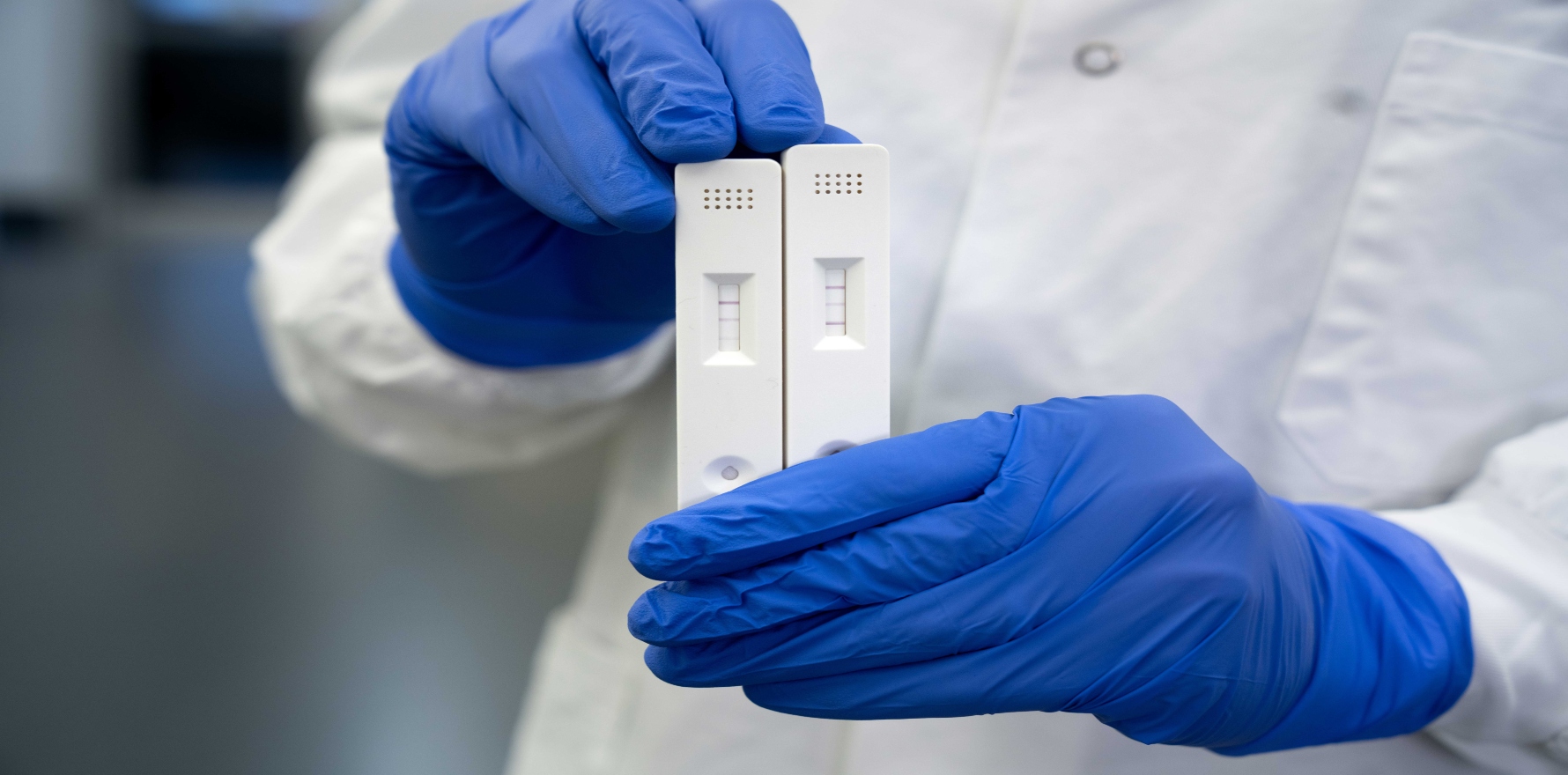
The Australian researchers behind the test said it could have huge impacts in low-resource settings.
Australian researchers have developed a novel blood test for iron deficiency.
Researchers from WEHI (the Walter and Eliza Hall Institute for Medical Research) say the test takes as little as 15 minutes, can be performed without specialised laboratory equipment or infrastructure, and contains an in-built reference line at 30µg/mL to clearly differentiate between individuals who are and are not iron deficient.
The test uses a finger-prick blood sample and can deliver accurate results at the point of care in a single visit, making it an attractive option for remote or under-resourced communities.
“Iron infusions are among the most prescribed medicines in Australia – reflecting the prevalence of iron deficiency and availability of effective treatment options,” said Dr Emily Eriksson, an infectious disease immunologist who co-led the research team that developed the new test.
“But simple methods to diagnose the condition remain largely out of reach for those living outside of high-income countries. Our test could close this health inequity gap and transform the lives of millions of women and babies around the world.”
Dr Ricardo Ataide, a senior research fellow at WEHI who will lead the validation and implementation of the diagnostic test, emphasised that the ability to measure ferritin – the gold-standard biomarker for iron deficiency – was critical.
“Identifying iron deficiency in the context of, or even before it progresses to anaemia, is the critical gap this test is addressing”, he said.
“Too often, women with low iron stores are missed because their haemoglobin levels appear normal. By directly identifying low ferritin levels, our test enables clinicians to clearly identify those women who are truly iron deficient and would benefit from timely treatment.
“Our test could empower healthcare professionals to make evidence-based, informed treatment decisions, with the potential to improve outcomes for women globally.”
The new test, which has a strong correlation with the gold-standard laboratory methods used in high-income countries, will be subjected to evaluation studies in Malawi and Kenya to determine its real-world performance, establish an evidence base, and develop a pathway for its rapid implementation in low-resource settings.
The new rapid ferritin test was co-developed by Professor David Anderson and Huy Van.
