

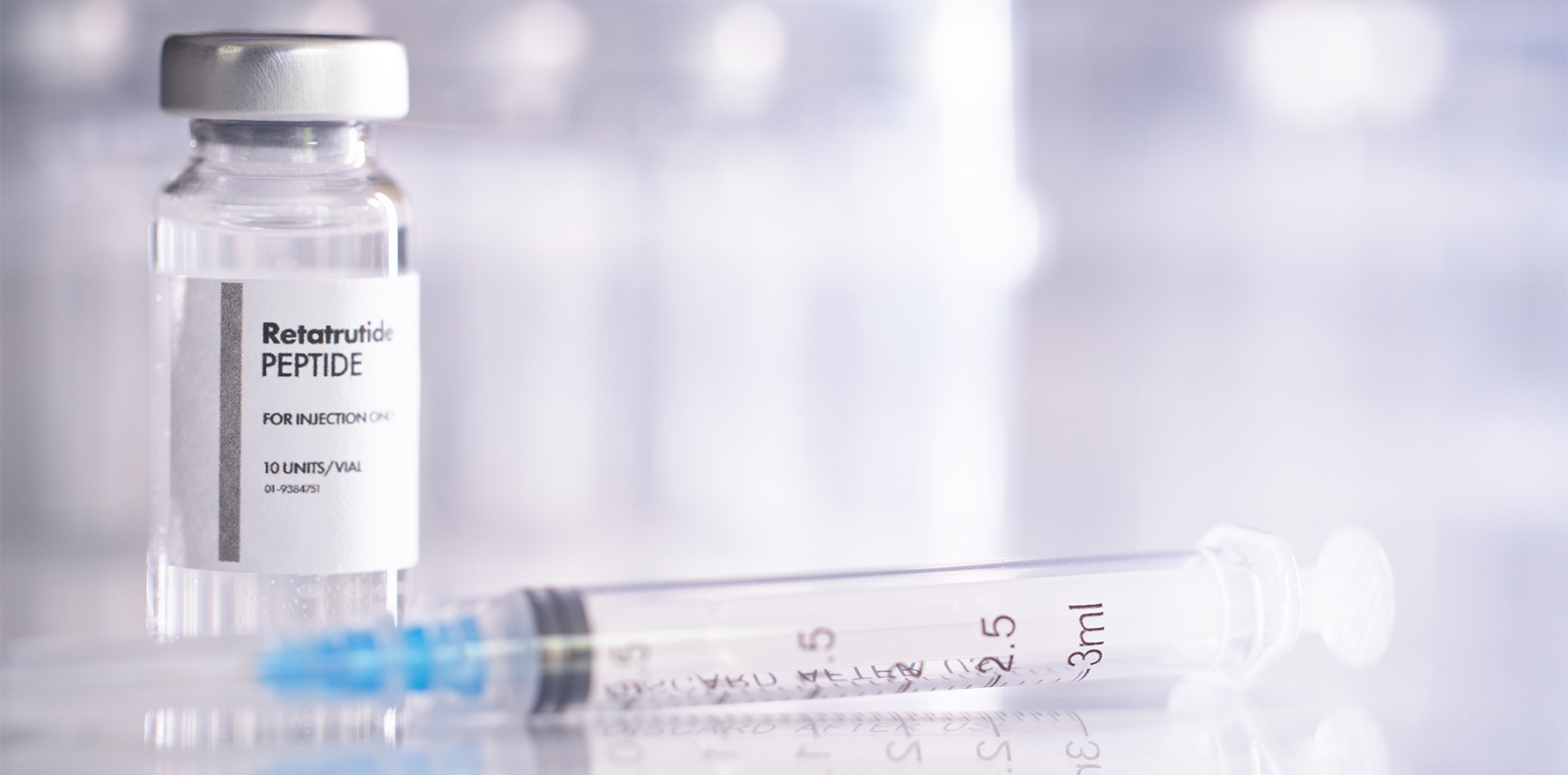
The drug maker behind experimental obesity treatment retatrutide has stepped up its attack on a growing black market for the unapproved peptide, as Australian authorities warn of serious toxicity linked to products being sold online.
Eli Lilly has called for tougher action against illegal sellers of retatrutide as Australian regulators grapple with an online market that has already been linked to cases of acute liver injury.
Retatrutide remains an investigational drug and has not been approved for human use by any regulator worldwide.
Lilly is studying the triple hormone receptor agonist in phase 3 trials for obesity, type 2 diabetes and other indications.
But products purporting to contain retatrutide are readily being marketed online, prompting warnings from Australian regulators and a crackdown on suppliers and promoters.
In June, Victoria’s chief health officer Dr Caroline McElnay issued a health alert about black market retatrutide.
“Since January 2026, there have been six cases of acute liver injury in Victoria in people who have used an unapproved peptide product, labelled as retatrutide,” Dr McElnay said in a statement.
“These products include retatrutide, reta, R-10, R-20.
“Investigations are ongoing; however, it is believed similar cases may have been reported in some other Australian jurisdictions.
“These products have been purchased online, through friends and through social media accounts. Retatrutide is an experimental drug not approved for sale as a safe medical product in Australia. It is marketed widely online for muscle growth, fat loss, recovery and anti-ageing.”
The alert followed a general warning issued in May by the Therapeutic Goods Administration (TGA) on the risks of importing unapproved peptide products online.
In a statement provided to Haematology Republic, Lilly Australia said it was also cooperating with regulators and law enforcement, issuing public warnings and pursuing legal action internationally.
“Any retatrutide available online is unapproved, unverified and simply not worth the risk,” said Manny Simons, general manager of Lilly Australia.
“Lilly continues to fight to protect patients from the dangerous black market including legal action and reporting thousands of websites, social and online platforms in more than 100 countries.
“Regulators around the world continue to warn against the risks of fake obesity products and unapproved peptides, including the TGA, and Victoria’s Department of Health.
“Anyone who thinks they need a medicine should consult their healthcare professional.”
Globally, Lilly issued a statement this month revealing it had reported more than 14,000 websites, advertisements, social media posts and product listings marketing retatrutide across more than 100 countries.
The company has also referred more than 200 individuals and entities to US regulators, law enforcement agencies and professional licensing boards, and this month filed six new lawsuits against US businesses it alleges are selling illegal retatrutide products.
These lawsuits include:
- Eli Lilly & Co v Aesthetic Envy Cosmetic Centers LLC, d/b/a Aesthetic Envy (ND Cal)
- Eli Lilly & Co v Astra LLC, d/b/a Astra Peptides (WD Tex)
- Eli Lilly & Co v Legendary Peptides, LLC (ED Tex)
- Eli Lilly & Co v Striker Pharmacy, LLC (SD Tex)
- Eli Lilly & Co v Texas Peptides Inc (WD Tex)
- Eli Lilly & Co v Lone Star Peptide Co (SD Tex)
“Retatrutide is being rigorously studied as part of a comprehensive clinical trial development program,” said Dr David A Hyman, Lilly’s chief medical officer.
“We take the responsibility of evaluating the safety and efficacy of our investigational medicines seriously. What is being sold on the black market is not a medicine – it is entirely unverified, unapproved and not worth the risk.”
Lilly has also called on social media and e-commerce platforms, payment processors, credit card companies and shipping and logistics businesses to do more to disrupt the market.
Retatrutide is among several peptides specifically named by the TGA as being promoted despite not being included on the Australian Register of Therapeutic Goods.
The TGA has since made unapproved peptide products a compliance priority and warned suppliers and promoters that unlawful advertising, importation, manufacture and supply could attract warning letters, infringement notices, seizures, civil penalties and, in serious cases, criminal prosecution.
Earlier this year, a joint Australian Border Force and TGA investigation resulted in three people being charged and the seizure of more than 10,000 vials and 600 tablets as part of an investigation into the alleged illegal importation of performance and image-enhancing drugs, including peptide products.
And earlier this week, a TGA-NSW Police operation led to the seizure of more than $120,000 of illicit peptide and anabolic steroid products from two residential premises in NSW allegedly linked to a social media influencer.
In a statement, the TGA said the influencer allegedly imported and relabelled the products before advertising and selling them on various social media platforms and a dedicated website.
The products include retatrutide, CJC-1295 and the Wolverine Stack (combination of BPC-157 and TB-500). The influencer had been previously warned by the TGA.
Professor Anthony Lawler, deputy secretary of the Department of Health, Disability and Ageing and head of the TGA, said this operation sent “a clear message to people using social media to promote or supply unapproved peptides- selling or supplying online does not place you outside the law”.
“Those who unlawfully import, advertise, manufacture or supply these products risk having them seized. They also may receive substantial infringement notices, and face civil or criminal court action,” he said this week.
“The TGA will use the full range of compliance and enforcement powers available to disrupt unlawful activity and protect Australian consumers.
“If you are using social media to profit from the unlawful supply of unapproved therapeutic goods, you should expect the TGA to take action.”
The regulator has also warned that imported peptide products were often poorly labelled or supplied in unmarked vials, leaving consumers and clinicians unable to verify their ingredients or concentration. For more information from the TGA on unapproved peptide products see here.
