


New research suggests extreme-distance racing accelerates red blood cell aging through mechanical and oxidative stress.
Ultra-endurance running may accelerate aging and breakdown of red blood cells, according to new research.
The findings have been published in the journal Blood Red Cells & Iron, a publication of the American Society of Hematology, and provide detailed molecular evidence that extreme endurance exercise induces both mechanical and oxidative damage to erythrocytes.
This raises questions about the short- and long-term hematologic consequences of ultra-distance events and offers potential translational insights for transfusion medicine.
While previous studies have shown that ultramarathon runners experience breakdown of normal red blood cells during races, potentially leading to anaemia, the causes of this phenomenon have remained unclear.
This study, led by Associate Professor Travis Nemkov, an associate professor of biochemistry and molecular genetics at the University of Colorado Anschutz, showed that athletes’ red blood cells became less flexible after a long race, potentially reducing their ability to efficiently carry oxygen, nutrients and waste products throughout the body.
In addition, the research team was able to provide the most complex and detailed molecular map to date of how an endurance race changes red blood cells.
“Participating in events like these can cause general inflammation in the body and damage red blood cells,” said Professor Nemko.
“Based on these data, we don’t have guidance as to whether people should or should not participate in these types of events; what we can say is, when they do, that persistent stress is damaging the most abundant cell in the body.”
The study examined blood samples from 23 athletes competing in two demanding European races, including the Martigny–Combes à Chamonix 40km event and the Ultra Trail de Mont Blanc 171km race.
Samples were collected immediately before and after competition and underwent high-resolution multi-omics analysis, including proteomic, lipidomic, metabolomic and trace element profiling of both plasma and red blood cells.
Investigators found consistent evidence of red blood cell injury following both race distances, with more pronounced alterations observed after the 171km ultramarathon.
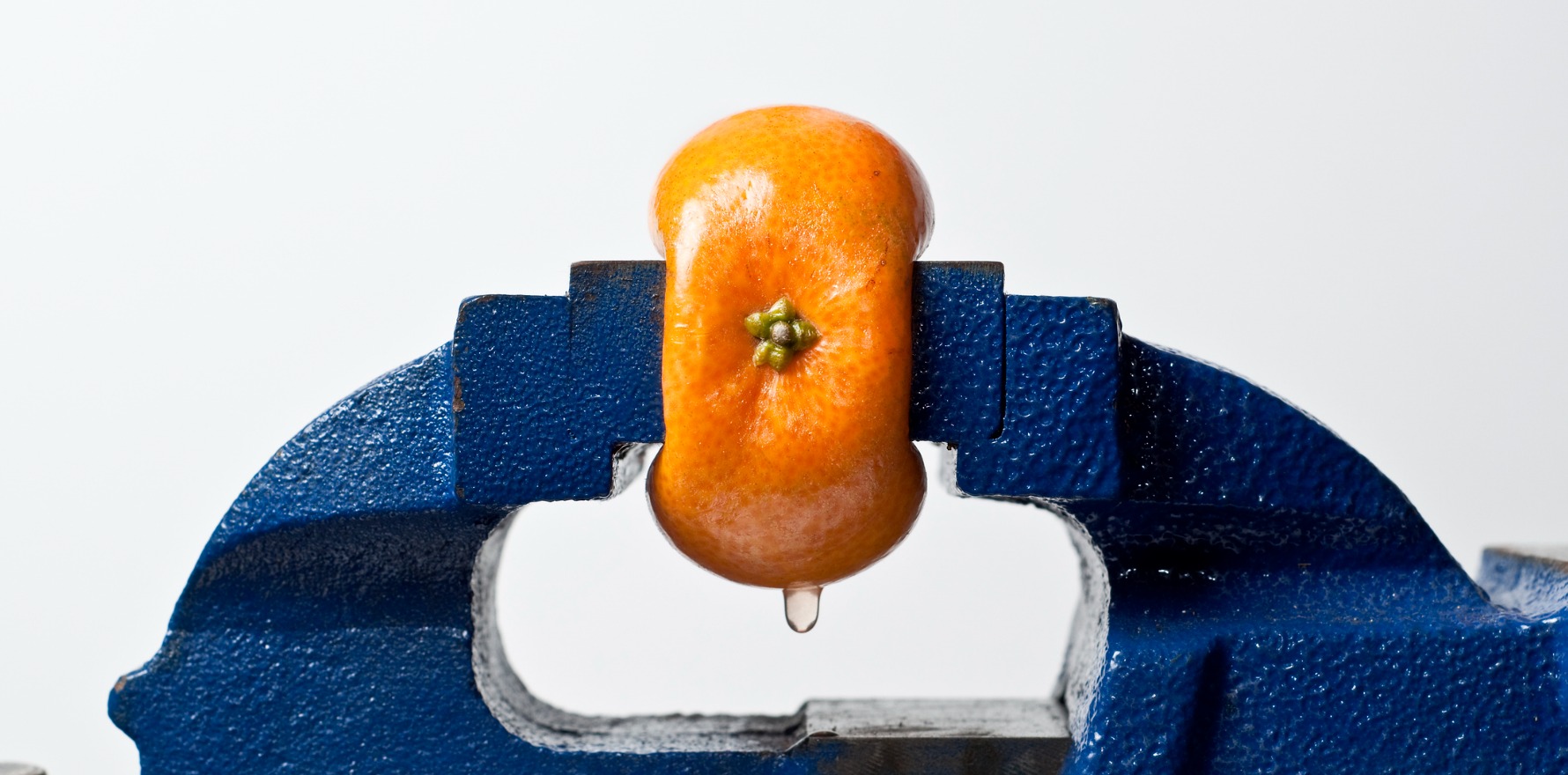
Post-race erythrocytes demonstrated reduced deformability, a critical property that enables cells to traverse narrow capillaries and efficiently deliver oxygen while clearing carbon dioxide and metabolic waste.
Loss of flexibility may impair microvascular flow and tissue oxygenation, particularly under conditions of sustained physiologic stress, the researchers said.
Mechanical forces appear to play a significant role in this process. Repetitive impact and fluctuations in intravascular pressure during prolonged running likely contribute to membrane stress and structural disruption of erythrocytes.
In parallel, molecular changes indicative of inflammation and oxidative stress were observed, including patterns consistent with increased reactive oxygen species and diminished antioxidant buffering capacity.
“At some point between marathon and ultra-marathon distances, the damage really starts to take hold,” said Professor Nemkov.
Related


“We’ve observed this damage happening, but we don’t know how long it takes for the body to repair that damage, if that damage has a long-term impact, and whether that impact is good or bad.”
He noted that the duration of these erythrocyte alterations, the kinetics of recovery and any long-term hematologic sequelae were not assessed, and whether repeated exposure led to adaptive remodelling or cumulative impairment was also unknown.
Co-author Professor Angelo D’Alessandro a professor at the University of Colorado Anschutz and a member of the Hall of Fame of the Association for the Advancement of Blood and Biotherapies, said the research had broader implications.
“Red blood cells are remarkably resilient, but they are also exquisitely sensitive to mechanical and oxidative stress,” he said.
“This study shows that extreme endurance exercise pushes red blood cells toward accelerated aging through mechanisms that mirror what we observe during blood storage.
“Understanding these shared pathways gives us a unique opportunity to learn how to better protect blood cell function both in athletes and in transfusion medicine.”
The authors acknowledged several limitations, including the small sample size, limited racial diversity among participants and the restriction to two time points without longitudinal follow-up.
Larger, more diverse cohorts and serial post-race sampling are planned to clarify recovery timelines and evaluate potential cumulative effects across multiple events.
Additional studies will also explore whether insights from exercise-induced erythrocyte stress can be leveraged to extend the shelf life and functional quality of stored blood products.
For health professionals caring for endurance athletes, the researcher said their findings underscored the need to consider haematologic monitoring in individuals engaged in repeated ultra-distance competition, particularly those presenting with fatigue, performance decline or laboratory evidence of haemolysis.
More broadly, the study reinforced a growing body of literature suggesting that extreme forms of exercise may impose physiologic stressors distinct from, and potentially exceeding, the well-established benefits of moderate physical activity.
